← All real-world theories · The myth: Nine-Tailed Fox 九尾狐
Is the Nine-Tailed Fox Real? The Animal Theories, Examined
🎙️ The Claim
Internet forums and YouTube videos claim the nine-tailed fox was never mythical at all — that it was a real animal the authors of the Shanhaijing merely described. Popular candidates include the red fox, the red panda, and, in the more extravagant versions, a "nine-tailed mutation" observed by ancient travelers and recorded before the species went extinct.
📌 The Evidence They Cite
The theory's supporters point to the text's sober, almost zoological tone. The Shanhaijing records the fox's habitat (Mount Qingqiu), its distinctive cry, and even a practical property — eating its flesh renders one immune to poison. This, they argue, reads like field notes rather than fantasy: real observations, written down flatly, of a real creature. Some versions add that "nine tails" is a scribal corruption or an exaggeration of a bushy tail, or that the word for "tail" (尾) was confused with a measure-word in old copies of the text.
🎓 What Scholars Say
Sinologists see it differently. Nine (九) is the supreme yang number in Chinese numerology, and "nine-tailed" functions as a symbolic formula — the way a "thousand-year" tortoise or a "hundred-foot" snake is symbolic. No mammal with branched tails has ever existed or left a fossil. The text's own detail that the fox "cries like a newborn infant" is a classic lure motif found in warning tales worldwide, not a behavioral note. Most tellingly, the sober tone proves the opposite of the claim: the Shanhaijing compilers recorded hearsay, omen-lore, and frontier rumor with exactly the same flat style they used for verified geography — which is precisely why later readers have always sorted its contents into "real" and "strange" in the first place.
⚖️ The Verdict
UNLIKELY
The nine-tailed fox is best understood as a symbol that acquired flesh. It began as an omen — the classic omen-cycle held that the fox appears when a virtuous ruler governs, an idea canonized by the time of the Han. Over the following centuries it grew a biography: first a spirit that possesses and bewitches (the fox-kin of Tang dynasty tales), then the arch-seductress Daji of the Shang collapse, and finally the dual figure of Chinese pop culture — demon or devoted wife, sometimes both in the same drama. A real animal does none of that. A symbol does all of it.
None of this makes the “real animal” theories worthless to read. They are a clean case study in how a bestiary works: the Shanhaijing mixes verified mountains with impossible beasts on one page, and it is the reader’s job — ancient or modern — to tell them apart.
🔍 The Candidates
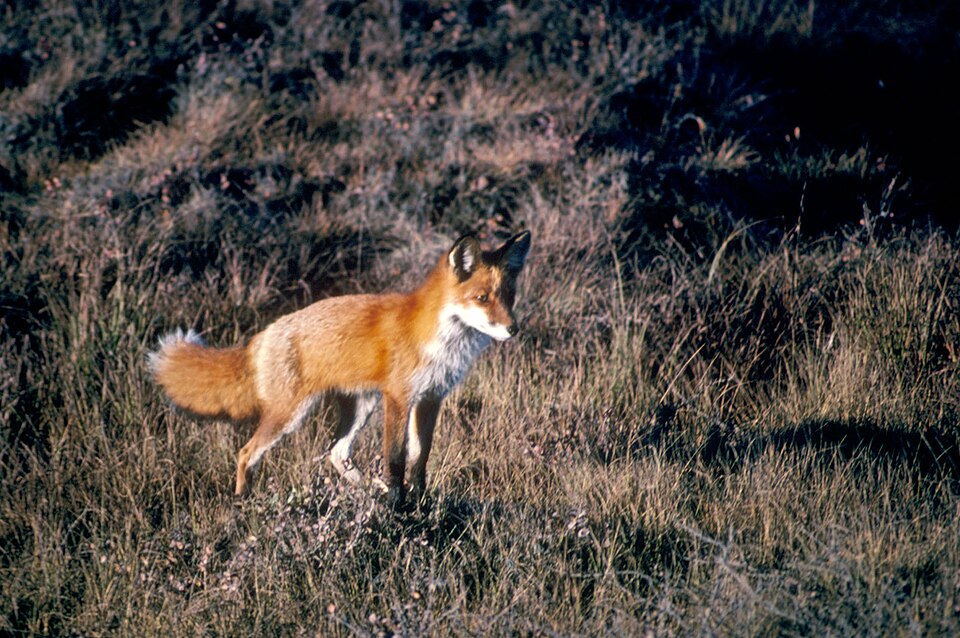
Public domain — Jim Thiele, via Wikimedia Commons

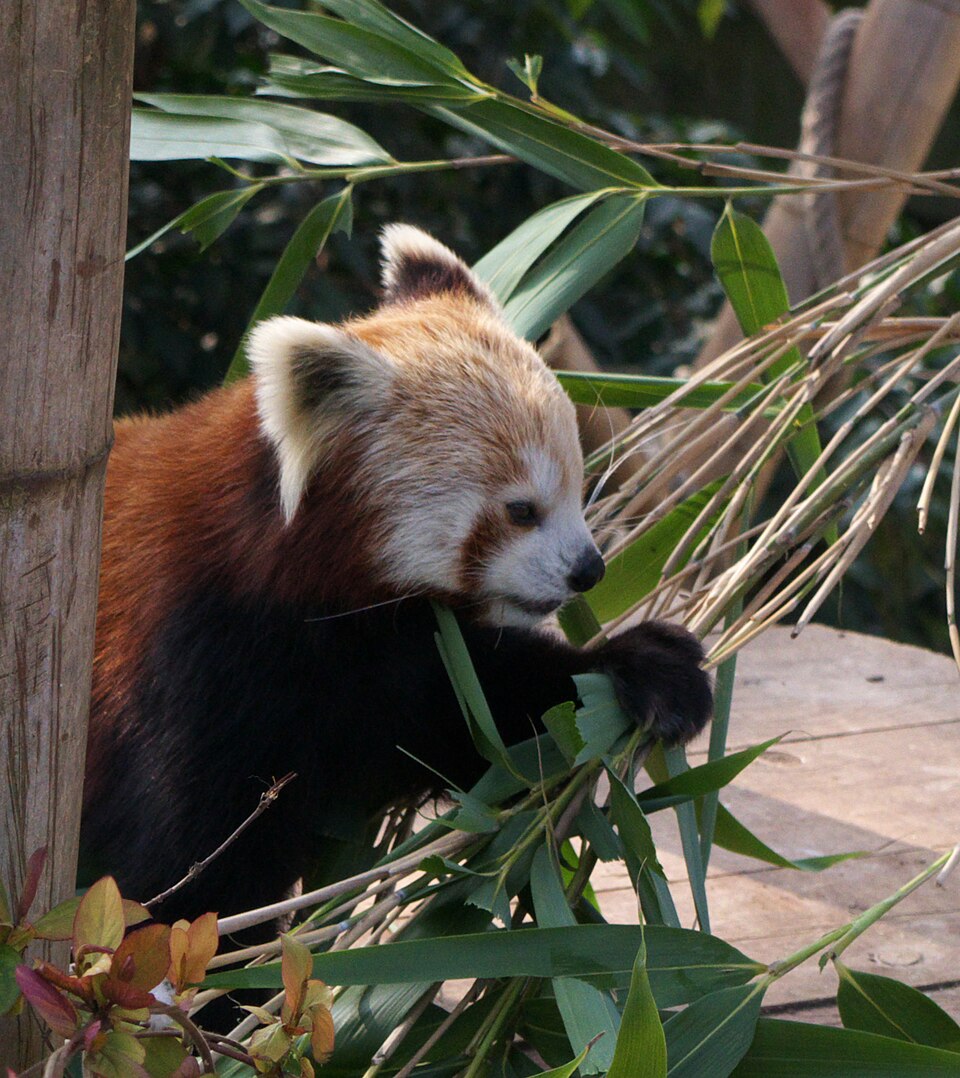
CC0 — Dinkum, via Wikimedia Commons
